
The Nintendo Direct held on June 9, 2026 made one thing very clear: Nintendo is now entering a stage where Switch 2 is starting to build a much stronger identity.
The presentation combined brand-new reveals, updates on previously announced titles, and a significant lineup of games tied closely to Nintendo’s own ecosystem.
Beyond the multiplatform announcements and third-party collaborations, the most interesting part of the show was everything connected directly to Nintendo’s catalog.
There was room for fresh looks at previously announced exclusives, additional content for active games, upgraded editions designed for Switch 2, and, above all, three completely new announcements that help explain where Nintendo wants to push its new console over the coming months and into 2027.
A stronger exclusive lineup
One of the clearest takeaways from the Direct is that Nintendo wanted to spotlight its own output and the games most closely tied to its platform.
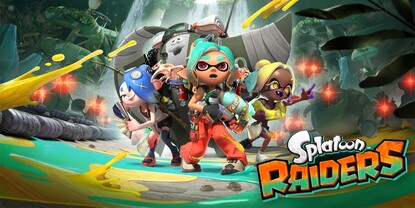
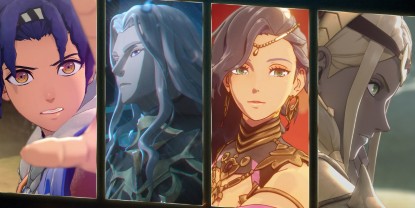
Previously announced titles such as Rhythm Paradise Groove, Splatoon Raiders, Orbitals, Fire Emblem: Fortune's Weave, and The Duskbloods all showed up again during the presentation.
Not all of them had the same amount of screen time, but together they delivered the same message: Switch 2’s exclusive calendar is no longer relying on just one or two major names.
Rhythm Paradise Groove once again showed that Nintendo still believes in highly distinctive series with a loyal audience, while Splatoon Raiders offered a bit more of its concept and reinforced its place as one of the system’s key upcoming titles.
Fire Emblem: Fortune's Weave also gained more visibility and continues to look like one of the biggest first-party releases on the horizon.
Orbitals further expanded its presence within the announced Switch 2 lineup, while The Duskbloods helped strengthen the feeling that the console’s future slate is becoming easier to recognize and easier to define.
Pokopia, Donkey Kong Challenge, and the return of Ninjala
Another important part of the Direct focused on additional content.
Pokopia received both a free update and paid DLC, which gives Nintendo a smart way to keep the game active with new material for the entire player base while also offering an expanded experience for those willing to go further.
It is a very logical move for a title that still has room to grow and can stay relevant through steady updates instead of needing a full relaunch.
One of the more unusual announcements in the Direct was Donkey Kong Challenge.
Nintendo presented it as a challenge-based initiative spread across selected Donkey Kong games, with collectible digital cards offered as rewards.
It is not a traditional game reveal, but it makes sense as a piece of content designed to keep players engaged with the brand and with several Donkey Kong titles over time.
Another title that stood out was Ninjala 2.
The new game was introduced as an open-world action adventure, which marks a significant shift in direction for the series and suggests a much more ambitious approach for the franchise.
That said, one key question still remains unanswered.
At the moment, there is still no confirmation on whether Ninjala 2 will receive a physical edition.
So for now, the safest approach is to note that its retail plans remain unclear.
Xenoblade becomes even more important on Switch 2
The Direct also reinforced Monolith Soft’s role within the Switch 2 ecosystem.
Nintendo confirmed Switch 2 Editions of Xenoblade Chronicles, Xenoblade Chronicles 2, and Xenoblade Chronicles 3, a move that makes it very clear the company wants the series to play an even bigger role on its new hardware.
This is not a minor decision.
Bringing the core trilogy to Switch 2-specific editions helps place the entire series in a cleaner, more unified position on the new console while also suggesting meaningful technical improvements.
It also feels like a very smart way to prepare the ground for the franchise’s next major step.
Because Xenoblade’s stronger presence in the Direct was not limited to upgraded re-releases.
Nintendo also used the event to show where the future of the series is headed.
Three new announcements that defined the Direct
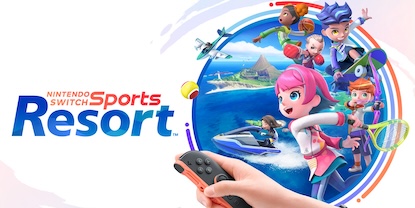
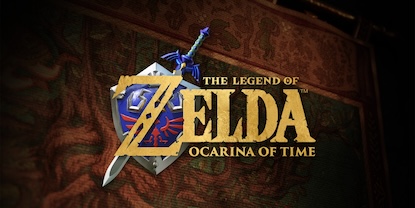
If three completely new games shaped the presentation more than any others, they were Nintendo Switch Sports Resort, Xenoblade Genesis, and The Legend of Zelda: Ocarina of Time.
Together, they cover very different areas of the Switch 2 catalog and offer a strong sense of the kind of balance Nintendo wants for the platform.
The first is Nintendo Switch Sports Resort.
The game brings back the festive, accessible spirit associated with the brand, leaning into motion controls and a style built for immediate fun and broad appeal.
It is exactly the kind of title that can work as a strong console showcase, because it is easy to understand, easy to demonstrate, and naturally suited to family play and social settings.
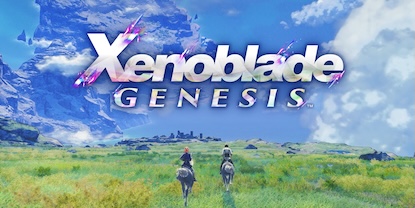
The second major reveal was Xenoblade Genesis.
Here, Nintendo did more than announce a new Xenoblade game.
It framed the project as a new beginning, which immediately gives it greater symbolic weight and makes it feel like one of the most important future titles for Switch 2.
That announcement also fits perfectly with the arrival of the Switch 2 Editions of Xenoblade 1, 2, and 3.
Everything about it feels connected to the same strategy: strengthen the series in the present and prepare players for its next major chapter.
The third major name was The Legend of Zelda: Ocarina of Time.
Its appearance alone made it one of the most talked-about moments of the event, because this is still one of the most important titles in Nintendo’s entire history.
Its return on Switch 2 carries enormous value, both for what it means to the company and for what it could mean to the console’s long-term catalog.
In this case, the announcement works on two levels.
On one side, it directly taps into the historical and emotional weight of Ocarina of Time.
On the other, it sends a very clear message: Switch 2 does not just want to build its future on brand-new entries, it also wants to draw strength from some of Nintendo’s most powerful legacy titles.
A Direct designed to strengthen the present and organize the future
Taken as a whole, the Nintendo Direct on June 9, 2026 was a very useful presentation for understanding where Nintendo stands right now.
The company showed more of several previously announced exclusives, kept active games alive with DLC and free content, opened the door to new Xenoblade versions for Switch 2, and also put three major new announcements on the table.
It was not just a Direct full of headline-grabbing names.
It was also a presentation with a very clear structure behind it.
Switch 2 needs variety, it needs a stronger identity, and it needs to combine new ideas, legacy appeal, and long-term continuity.
That is exactly what announcements like Nintendo Switch Sports Resort, Xenoblade Genesis, and The Legend of Zelda: Ocarina of Time communicated, alongside the expanded presence of Fire Emblem, Splatoon, Donkey Kong, Pokopia, and the rest of Nintendo’s exclusive lineup.
If there were still doubts about whether Nintendo was beginning to shape a more recognizable identity for its new console, this Direct did a lot to reduce them.
What matters now is how all of these projects land, but the roadmap shown here leaves one conclusion standing out above the rest: Nintendo is already building the Switch 2 era around its strongest exclusives and its most important series.